

Tungsten Carbide Punches & Dies
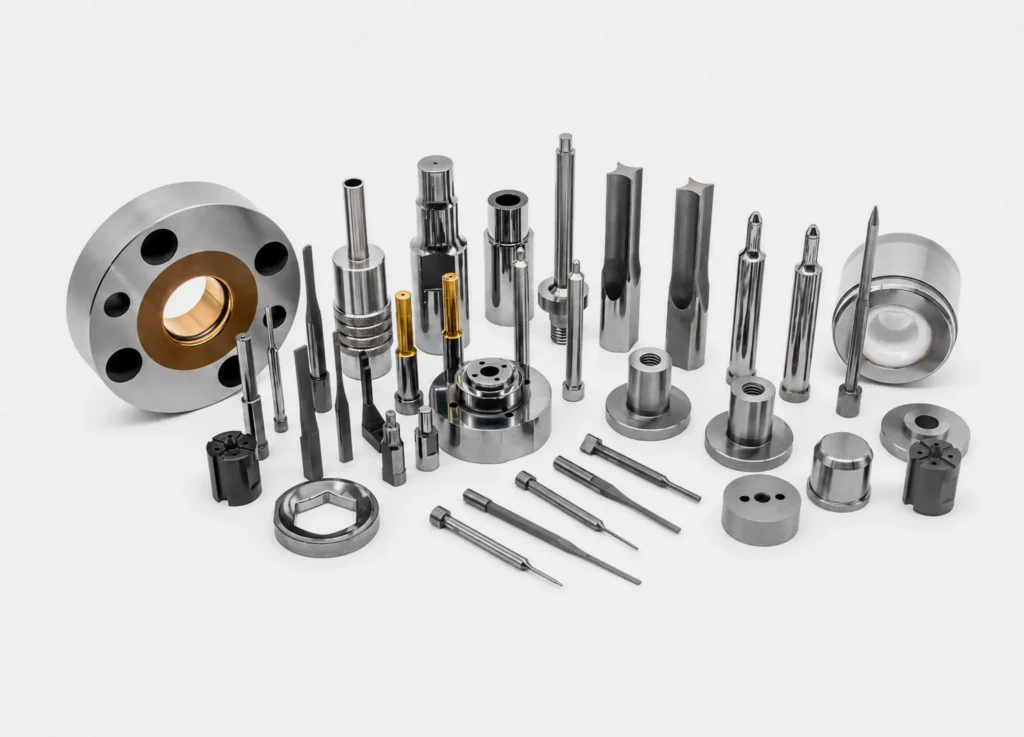
Sundi manufactures custom tungsten carbide punches, dies, die buttons, and die inserts for high-wear stamping and precision die applications. Components are made from drawings or samples, with carbide grade, edge condition, clearance, fit, and inspection points reviewed before quote.
-
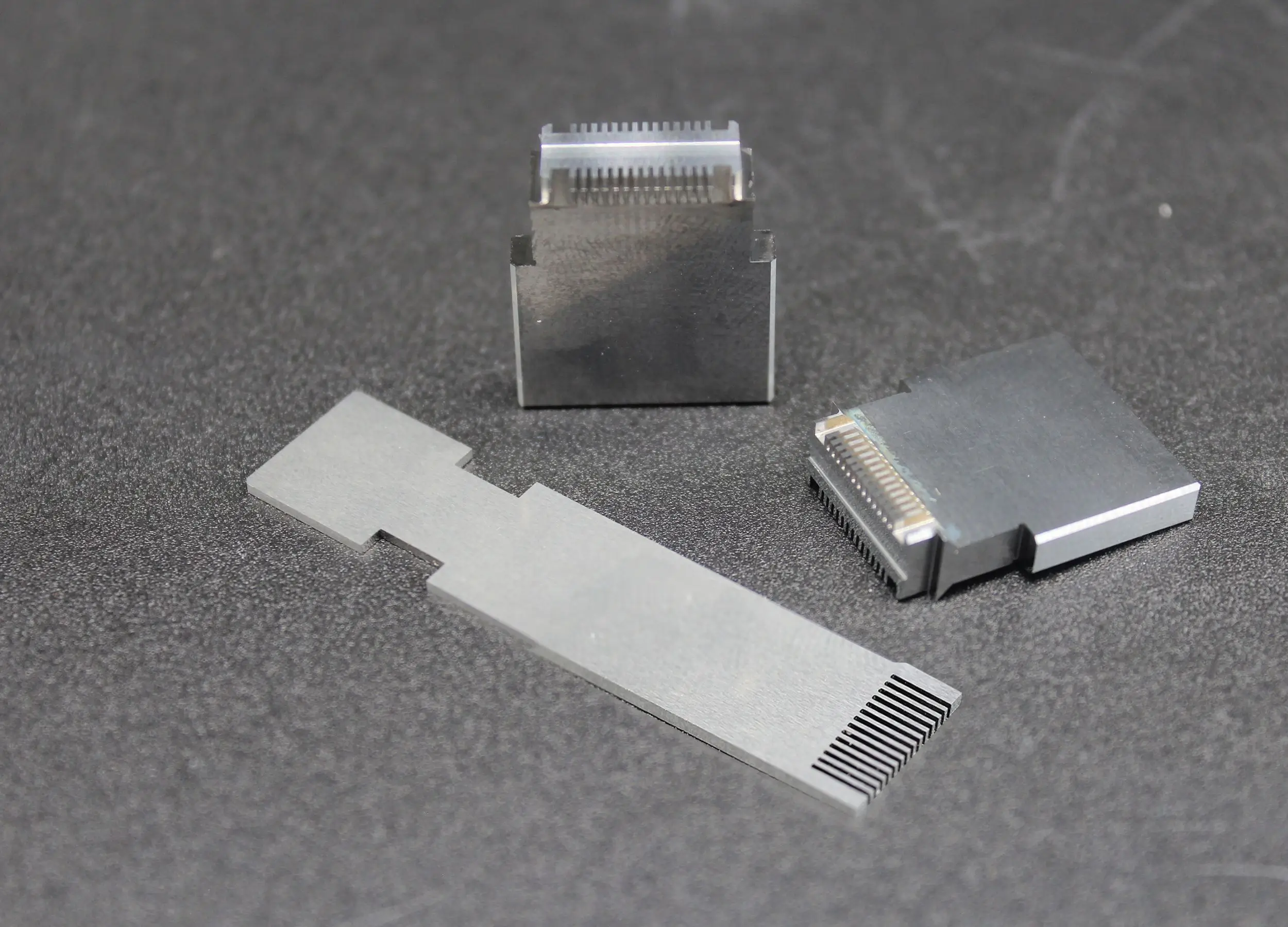
Tungsten carbide punch and die components for high-wear stamping applications.
-
Carbide grade, geometry, edge finish, and coating reviewed against working conditions.
-
Grinding, EDM, polishing, and inspection support for drawing-based carbide tooling.
Carbide Tooling Scope
Carbide punches, carbide dies, die buttons, inserts, and high-wear stamping components.
Wear Review
Grade, toughness, edge radius, impact load, and abrasive material conditions checked before quote.
Process Support
Wire EDM, precision grinding, profile grinding, polishing, and surface finish control.
Inspection Ready
Critical dimensions, edge condition, surface finish, fit, and drawing revision reviewed.
CHOOSE THE RIGHT CARBIDE TOOLING ROUTE
Tungsten Carbide Punches & Dies
- Strictly Confidential (NDA Supported)
Use this page when the main decision is wear resistance, carbide grade, punch or die geometry, or tool life in a stamping station. It routes buyers toward carbide punches, carbide dies, die buttons, and die inserts when a more specific component page is needed.
Carbide Punches
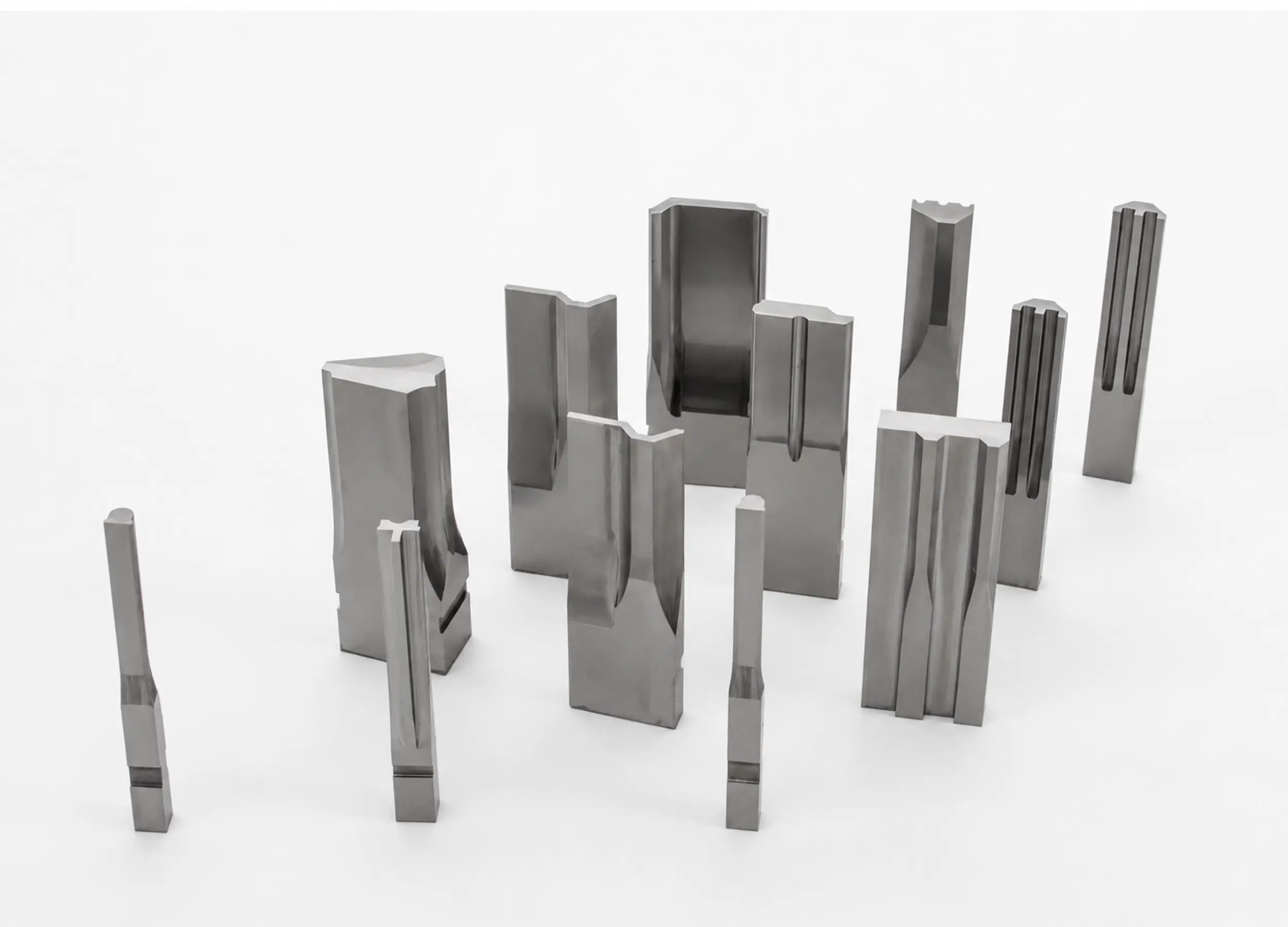
Custom carbide punches for piercing, stamping, forming, and high-wear production stations.
Carbide Stamping Dies
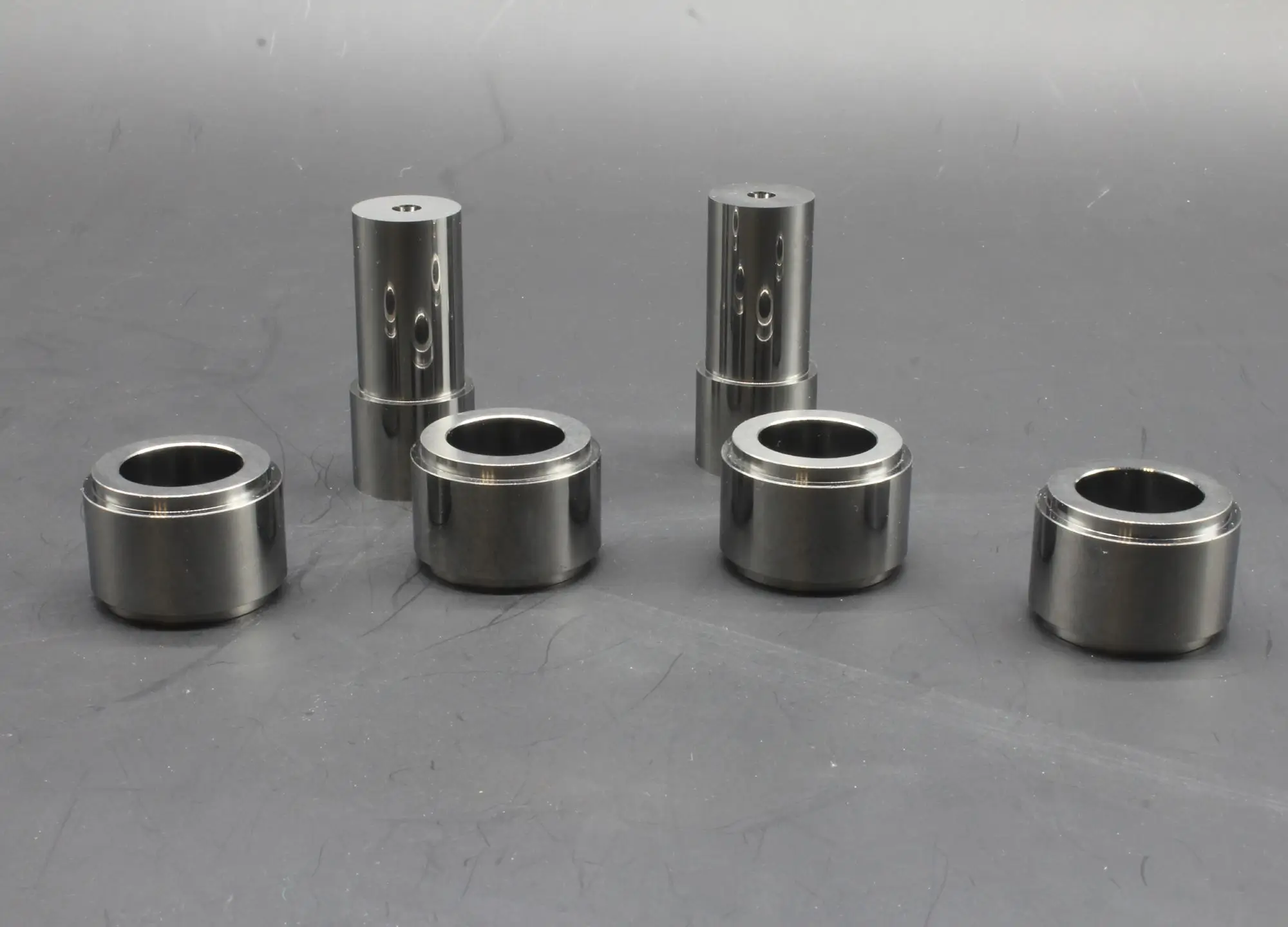
Carbide die components reviewed for wear life, clearance, fit, and drawing conformance.
Carbide Die Buttons
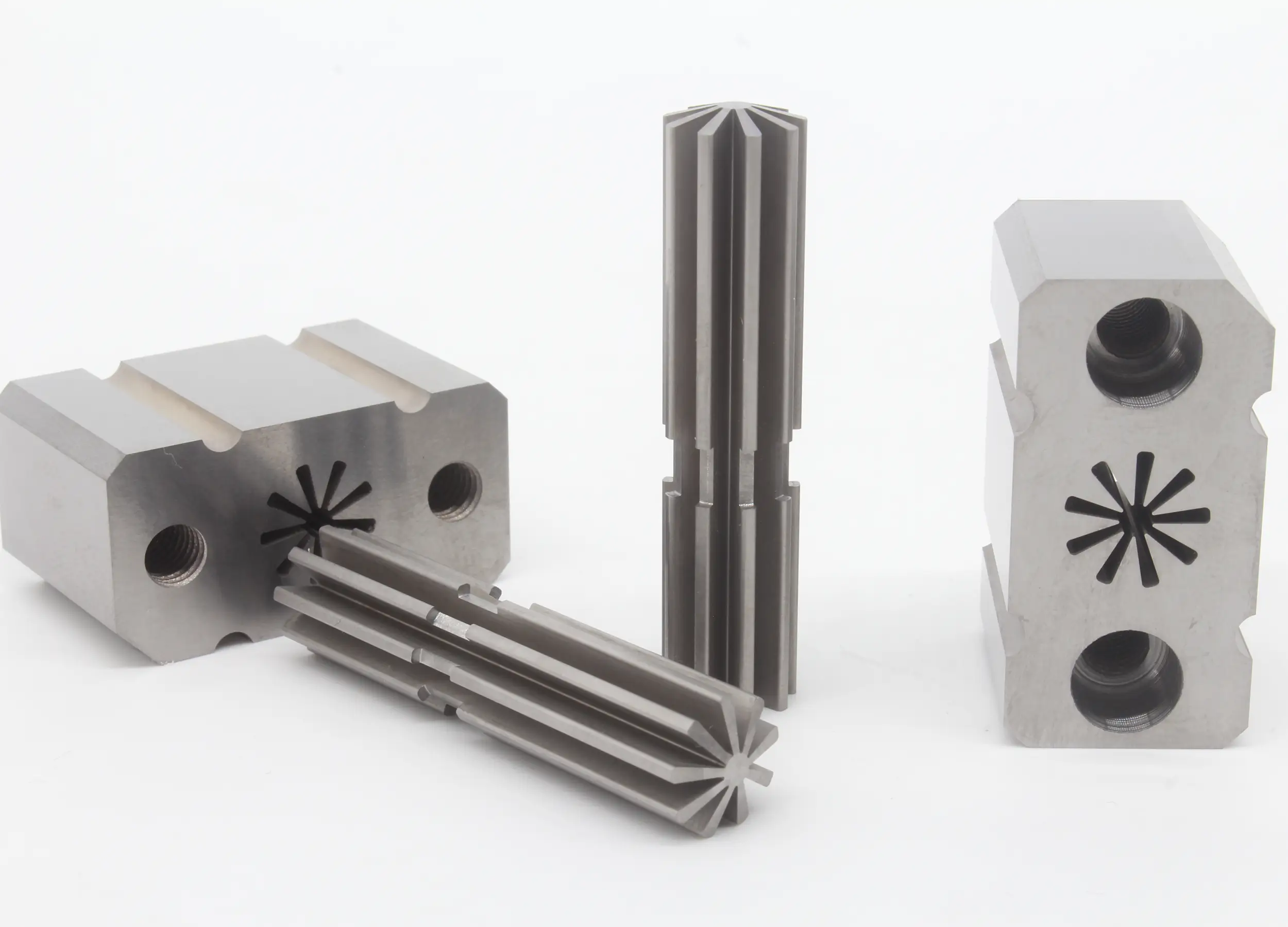
Round, shaped, headed, and custom die buttons matched to punch geometry and station load.
Carbide Die Inserts
Drawing-based carbide inserts for stamping dies when material, fit, and edge condition are critical.
MATERIAL ROUTE
Compare carbide tooling by component type and wear condition
- Strictly Confidential (NDA Supported)
Carbide tooling should be selected around the working material, station load, edge condition, and expected tool life. This comparison helps separate punch, die, die button, and insert requests before engineering review.
| Carbide Tooling Decision | Review Focus |
|---|---|
| Carbide Punches | Punch profile, edge radius, body fit, wear face, and chipping risk. |
| Carbide Dies / Die Buttons | Opening geometry, relief, clearance, press station fit, and replacement interchangeability. |
| Material Grade | Wear resistance, toughness, binder selection, coating fit, and working material condition. |
| Finish and Inspection | Grinding marks, edge finish, surface condition, critical dimensions, and drawing revision control. |
VISUAL ROUTE
Visual examples for carbide punch and die components
- Strictly Confidential (NDA Supported)
Use this block when product photos, carbide profiles, edge details, or inspection examples help buyers recognize the required component before sending drawings.
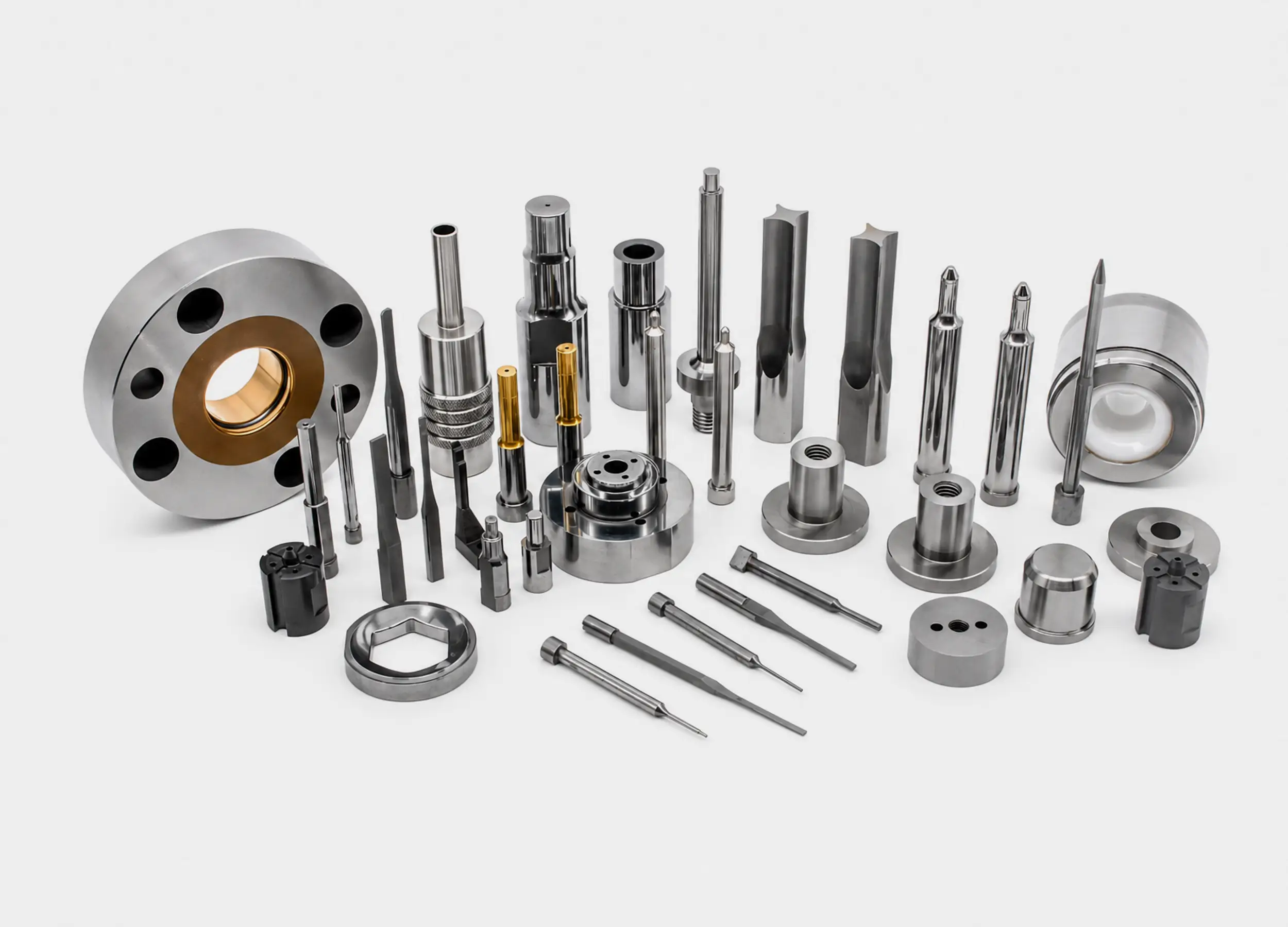
Use this visual side when process photos communicate fit, finish, or inspection proof better than a specification table.
MATERIALS, COMPONENTS, APPLICATIONS
Carbide Tooling Types and Applications
Carbide punch and die requests are easier to review when the component role, manufacturing route, and wear condition are separated. Use this section to route the drawing toward the right carbide tooling page or inspection focus.
Component routes
- Carbide punches
- Carbide stamping dies
- Carbide die buttons
- Carbide die inserts
- Carbide bushings, posts, or spacers when specified
Manufacturing routes
- Precision grinding
- Wire EDM cutting
- Profile grinding
- Polishing and edge finishing
- Inspection before shipment
Application routes
- Connector terminal stamping
- Lead frame and electronic contact tooling
- Progressive stamping dies
- High-wear cutting stations
- Abrasive sheet material applications

INSPECTION PROOF
Quality checks for tungsten carbide punch and die components
Tungsten carbide tooling should be reviewed around the features that affect wear life and fracture risk: carbide grade, edge radius, punch-to-die fit, surface finish, clearance notes, and drawing conformance. Final material and tolerance claims should be confirmed against the submitted drawing and working condition.
Carbide grade and drawing material callout
Punch or die geometry, edge radius, and clearance notes
Surface finish, coating fit, and chipping-risk review
Critical dimensions and drawing revision checked before shipment
Why We Provide Engineer-Reviewed Quotes
We do not rely on automated algorithms for custom tooling. Every submitted drawing is meticulously reviewed by our engineering team to assess machining feasibility, verify material selection, and identify potential tolerance risks. This ensures you receive a highly accurate price, a realistic lead time, and a manufacturing plan tailored for your punch and die projects.
RELATED MANUFACTURING SERVICES
Related manufacturing services for custom parts
These core services support many Sundi product pages. Use them to review the manufacturing route behind drawing-based components, precision tooling, and replacement parts.

Wire EDM
For precise cuts, narrow slots, internal profiles, and hard-material components that need controlled machining.

Precision Grinding
For parts that require flatness, tight fit, clean edges, or controlled surface finish after machining.
CNC Machining
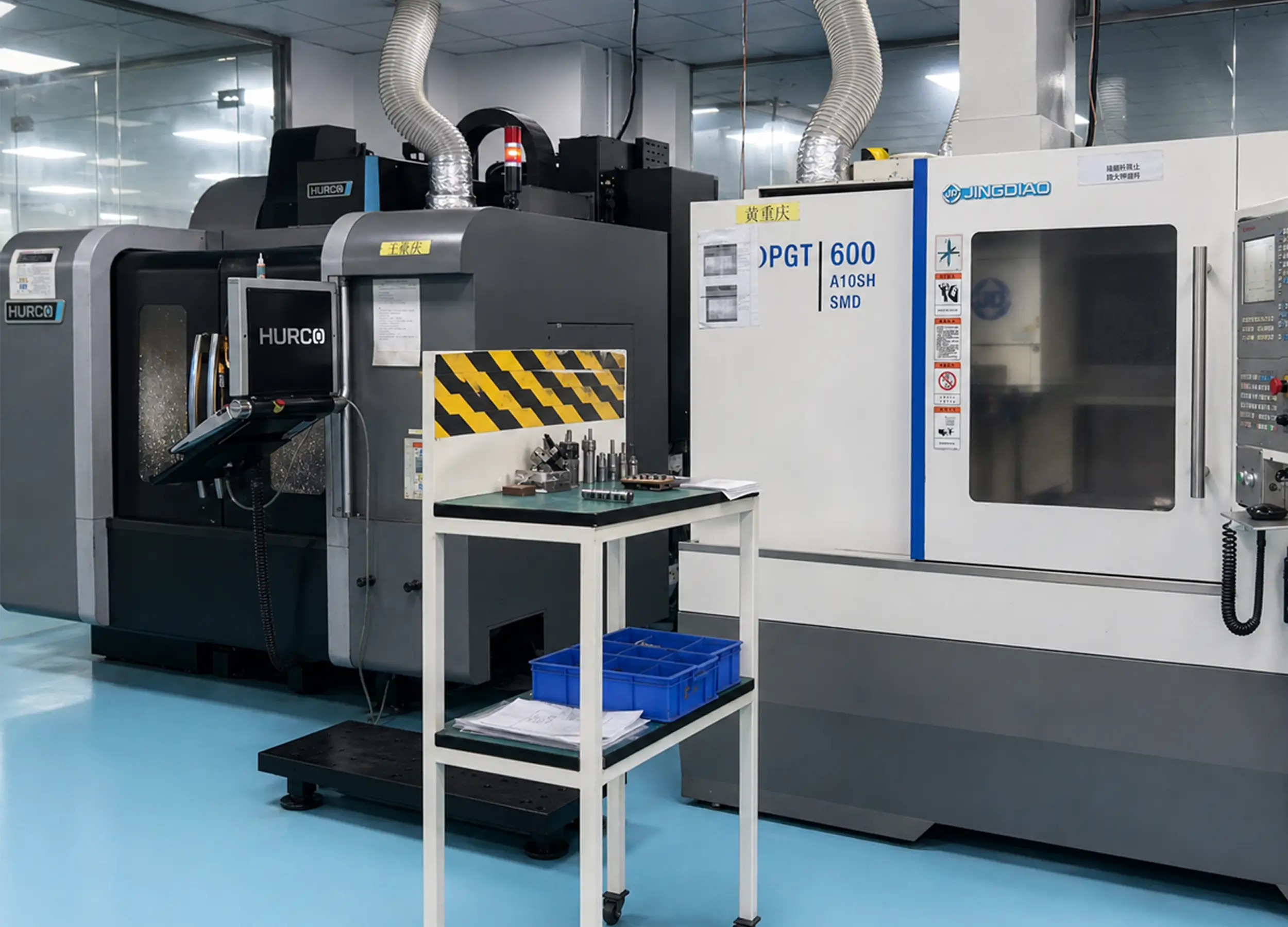
For custom metal and plastic components, fixtures, plates, housings, and drawing-based replacement parts.

Tool & Die Making
For custom tooling, die components, production support, and parts that need engineering review before manufacturing.
FAQs
What information is needed to quote tungsten carbide punches and dies?
Send the drawing or sample, carbide grade if specified, critical dimensions, tolerance notes, quantity, working material, coating or finish requirements, and the current wear or chipping problem if this is a replacement request.
When should tungsten carbide be selected instead of HSS or tool steel?
Tungsten carbide is usually considered when wear life, abrasive material, dimensional drift, burr growth, or high-volume stamping makes tool steel wear too quickly. Impact load and edge geometry still need review because carbide can be more sensitive to chipping.
Can Sundi make carbide punches and die buttons from drawings?
Yes. Drawing-based carbide punches, die buttons, dies, and inserts can be reviewed when the part geometry, fit, material grade, edge condition, and inspection requirements are clear enough for manufacturing planning.
Does Sundi supply reloading carbide dies or DIY punch sets?
No. This page is for industrial stamping and tooling components. Reloading dies, DIY hand tools, craft punches, and retail punch sets are outside the intended scope unless the request is a custom industrial component with a drawing.
When should a carbide request move to another punch and die page?
If the main issue is not carbide material but punch shape, forming method, blanking, trimming, HSS/tool steel selection, or die buttons and inserts in general, the request should route to that more specific page and link back to this carbide material page when needed.
Related Products
Explore Sundi MFG product categories that are often reviewed together when selecting custom tooling, precision parts, and production-ready components.
Compare related product categories to find the right manufacturing route for your drawings, materials, and production requirements.